
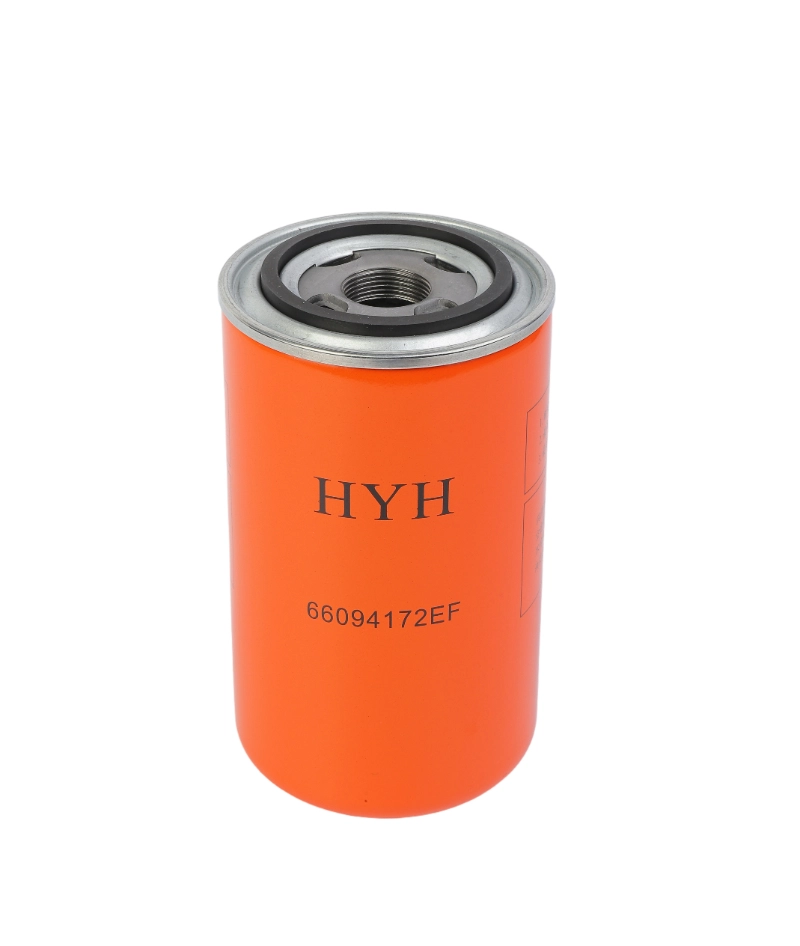
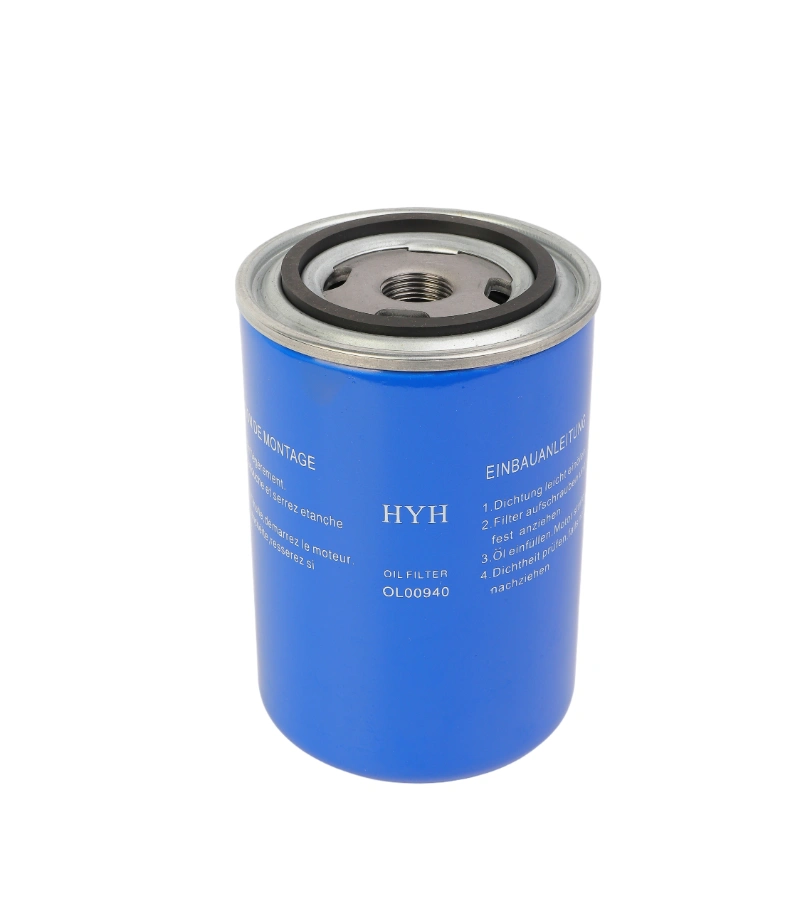
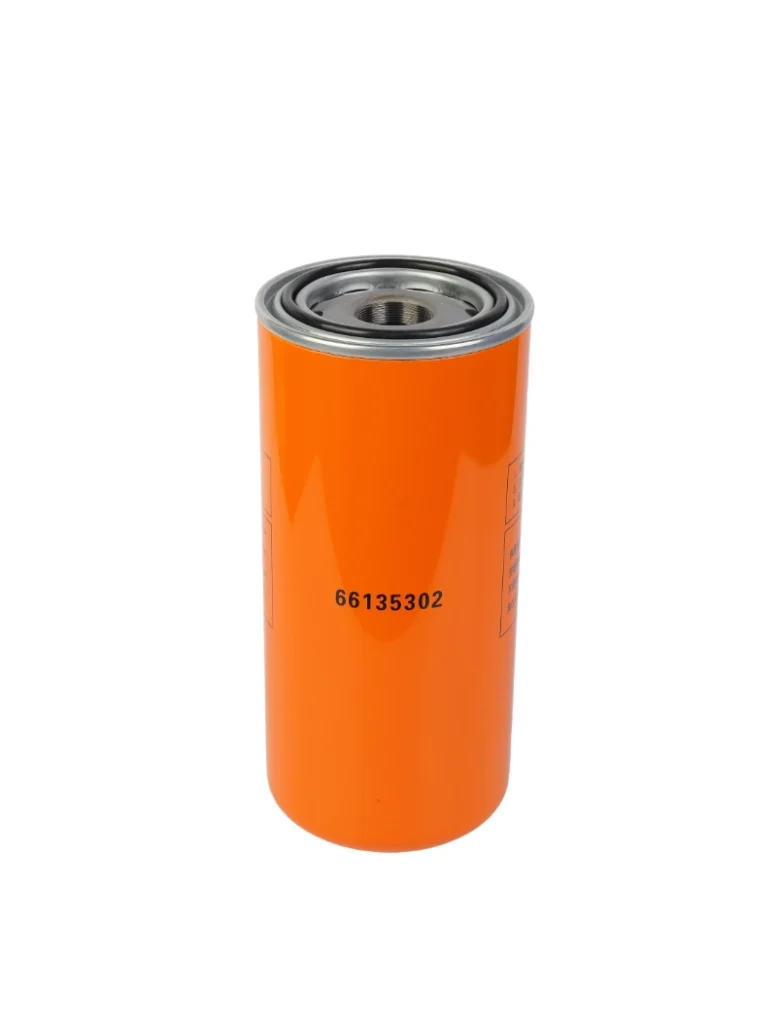
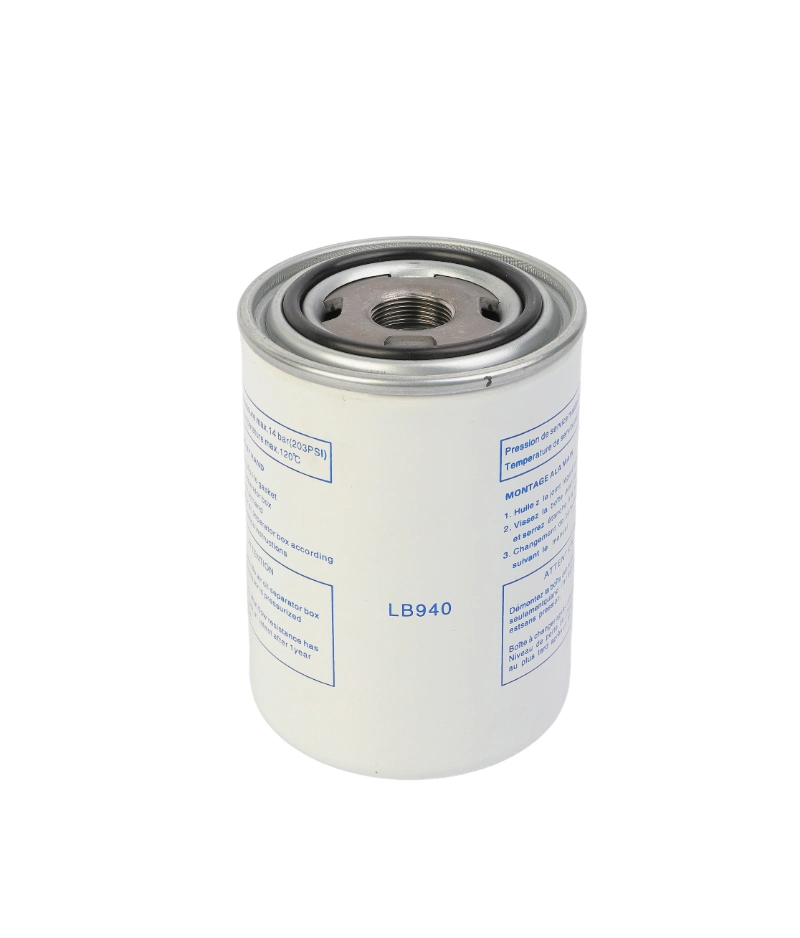
Fuel Filter for Construction Machinery Excavators
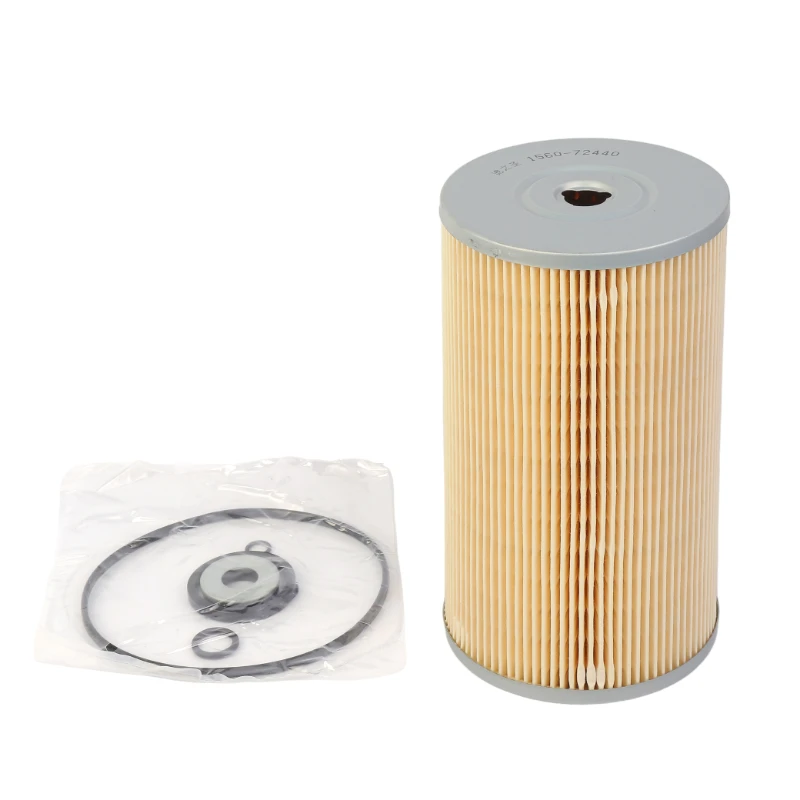
1. Overview The Fuel Filter 1560-72440 is a heavy-duty filtration component engineered exclusively for construction machinery excavators—targeting mid-to-large-sized models (15-40 tons) widely used in mining, infrastructure construction, and earthmoving projects….
1. Overview
The Fuel Filter 1560-72440 is a heavy-duty filtration component engineered exclusively for construction machinery excavators—targeting mid-to-large-sized models (15-40 tons) widely used in mining, infrastructure construction, and earthmoving projects. Unlike vehicle fuel filters, this product is designed to withstand the extreme operating conditions of excavators: high dust concentrations, continuous vibration, and frequent load changes. It adheres to strict industrial filtration standards, ensuring the excavator’s diesel engine (typically 150-300 HP) receives ultra-clean fuel. By blocking impurities and water in diesel, it protects the engine’s high-pressure common-rail system and injectors, reducing downtime caused by fuel-related failures and extending the engine’s service life.
2. Equipment Compatibility
- Excavator Model Scope: Specifically adapted to mainstream excavator brands and models, including but not limited to Komatsu PC200-8/PC300-8, Hyundai R225LC-9, and Kobelco SK210LC-10. These 15-40 ton excavators are core equipment in construction sites, where fuel quality is often unstable (e.g., on-site refueling with impurity-prone diesel) and working environments are harsh—making the 1560-72440’s robust filtration critical.
- Engine-Specific Matching: Tailored to diesel engines commonly used in mid-to-large excavators, such as Komatsu SAA6D107E, Hyundai DE12T, and Kobelco J05E. These engines feature high-pressure common-rail systems (maximum injection pressure up to 1800 bar) that are highly sensitive to fuel impurities. The 1560-72440 matches the engine’s fuel flow rate (80-120 L/h) and working pressure (0.15-0.2 MPa), avoiding insufficient fuel supply during heavy-load operations (e.g., digging hard rock) or injector wear from unfiltered particles.
- Replacement Part Compatibility: As a direct replacement for original filter part numbers (e.g., compatible with Komatsu 600-311-3630 and Hyundai 31E6-70250 in specific applications), it fits seamlessly into the excavator’s existing fuel system without modifications, ensuring hassle-free installation for on-site maintenance teams.
3. Working Principle
The 1560-72440 adopts a triple-protection filtration structure (coarse filtration + fine filtration + water separation) to address the three major fuel contaminants in construction sites: large dust particles, micro-impurities, and water droplets:
- Coarse Filtration Layer: The outer layer uses a high-strength synthetic fiber mesh with 15-20 micron pores, trapping large impurities such as sand, gravel, and rust from on-site diesel storage tanks. This reduces the load on the fine filtration layer and prevents premature clogging—critical for excavators refueled in dusty construction yards.
- Fine Filtration Core: The middle layer is made of borosilicate glass fiber paper with 2-3 micron precision, capturing tiny contaminants like diesel colloids, micro-metal shavings, and carbon deposits. This ensures over 99.6% of impurities are removed, protecting the engine’s injectors from wear (a single injector replacement for excavators can cost 800−1,500).
- Water Separation System: The inner layer integrates a hydrophobic membrane and a water collection cup. Diesel containing water (from condensation in fuel tanks or rainy-site refueling) passes through the membrane—water droplets are repelled, condense in the collection cup, and trigger a water level alarm (when equipped) to remind operators to drain. This avoids fuel system corrosion and cylinder wall damage caused by water in diesel.
- Vibration & Pressure Resistance: The filter housing is reinforced with a steel mesh inner frame, preventing the filter element from collapsing under the excavator’s continuous vibration (up to 25G acceleration during digging). A built-in pressure relief valve (set to 0.22 MPa) ensures stable fuel supply even if the filter is partially clogged, avoiding sudden engine power loss during critical operations like lifting heavy loads.
4. Key Features and Benefits
- Harsh Environment Durability: The filter housing is made of high-impact ABS plastic with a UV-resistant coating, capable of withstanding -35°C to 140°C temperature extremes—suitable for hot desert construction sites and cold northern mining areas. It resists cracking from temperature changes and impact from flying debris, ensuring no fuel leakage even in rough operations.
- Long Service Life in High-Dust Scenarios: The large-capacity filter paper (filter area up to 1.2 m²) can trap up to 120 grams of dust—30% more than standard excavator fuel filters. In field tests, the 1560-72440 maintained effective filtration for 500-600 working hours in medium-dust construction sites, reducing filter replacement frequency by 25% compared to generic filters.
- Quick Water Drainage Design: The bottom of the filter is equipped with a one-touch drain valve. Operators can drain accumulated water without disassembling the filter, taking only 10 seconds—critical for busy construction schedules where downtime must be minimized.
- Low Flow Resistance for Heavy Loads: The internal flow channel is optimized via CFD simulation, ensuring fuel flow resistance ≤0.03 MPa. This guarantees the engine receives sufficient fuel during high-load operations (e.g., continuous digging or uphill travel), maintaining rated power and preventing fuel waste—users report a 3-5% improvement in fuel efficiency compared to clogged or low-quality filters.
5. Maintenance and Replacement
- Regular Inspection:
- Check the water level in the collection cup daily before starting the excavator. If the water level exceeds the “MAX” line (typically 20 ml), open the drain valve to discharge until clean diesel flows out.
- Every 100 working hours, visually inspect the filter housing for cracks or oil leaks. For excavators in high-dust environments (e.g., mining sites), check the filter element’s dirtiness through the transparent housing (if equipped)—replace immediately if the filter paper is dark brown.
- Replacement Interval:
- Under normal conditions (using national standard No. 0 diesel and regular fuel tank cleaning), replace the filter every 500-600 working hours.
- In extreme environments (e.g., desert construction, coal mining with high dust), shorten the interval to 300-400 working hours to avoid injector damage.
- Installation Precautions:
- Before replacement, turn off the excavator’s engine and close the fuel shut-off valve (located near the fuel tank) to prevent fuel spillage.
- Clean the fuel inlet/outlet interfaces with a lint-free cloth to avoid introducing new impurities. Ensure the filter’s sealing ring is intact—apply a thin layer of clean diesel to the ring to enhance sealing and prevent air from entering the fuel system (which causes difficult starting).
- After installation, prime the fuel system by pressing the manual pump on the filter until resistance is felt. Start the engine and idle for 5 minutes, then check for leaks at the housing connections—re-tighten the clamp if necessary.
6. Conclusion
The Fuel Filter for Construction Machinery Excavators 1560-72440 is a “reliable guardian” for excavator engines in harsh construction environments. By combining heavy-duty structural design, high-precision filtration technology, and user-friendly maintenance features, it not only protects the excavator’s core fuel system components but also reduces on-site maintenance costs and extends equipment uptime. For construction companies, excavator rental services, and on-site maintenance teams, choosing the 1560-72440 is a cost-effective investment to ensure smooth project progress and maximize the value of excavator assets.