
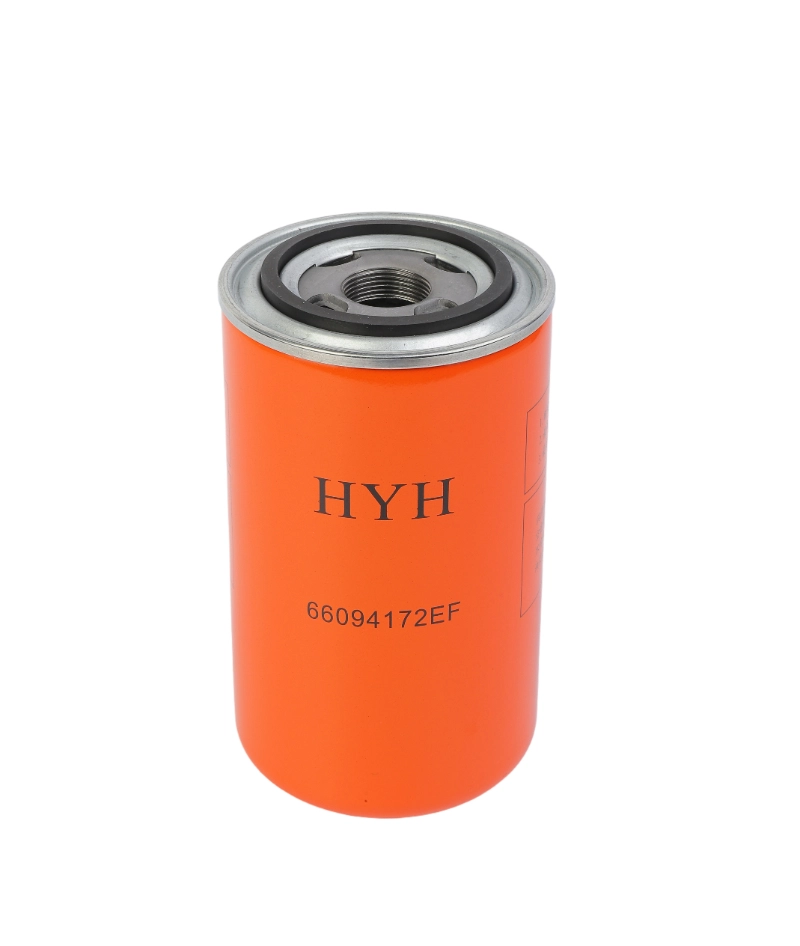
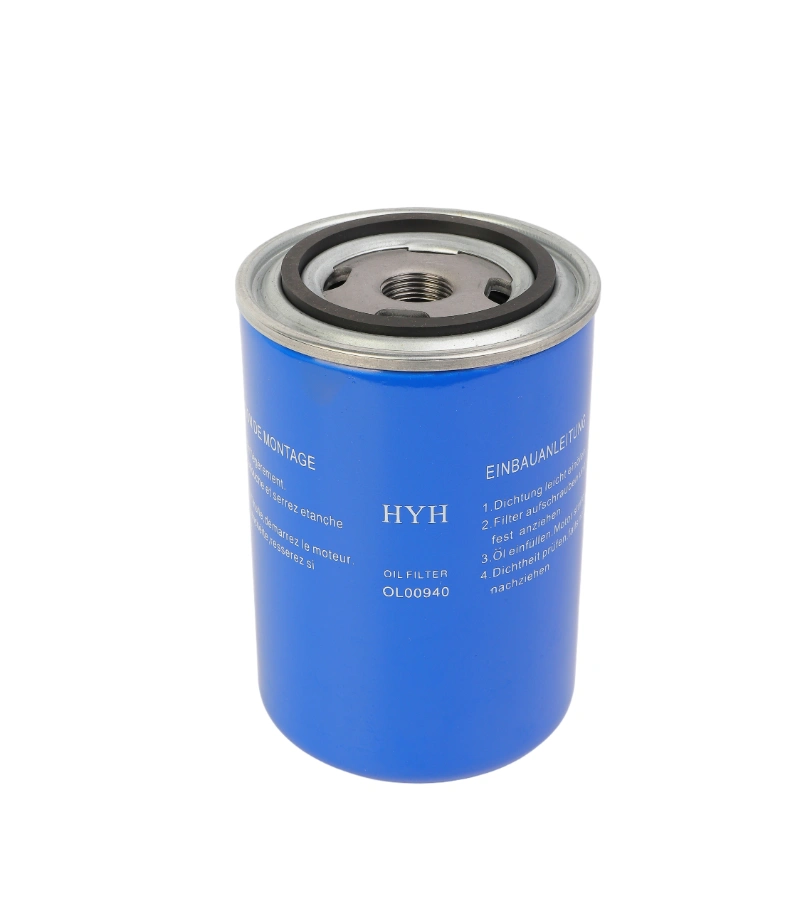
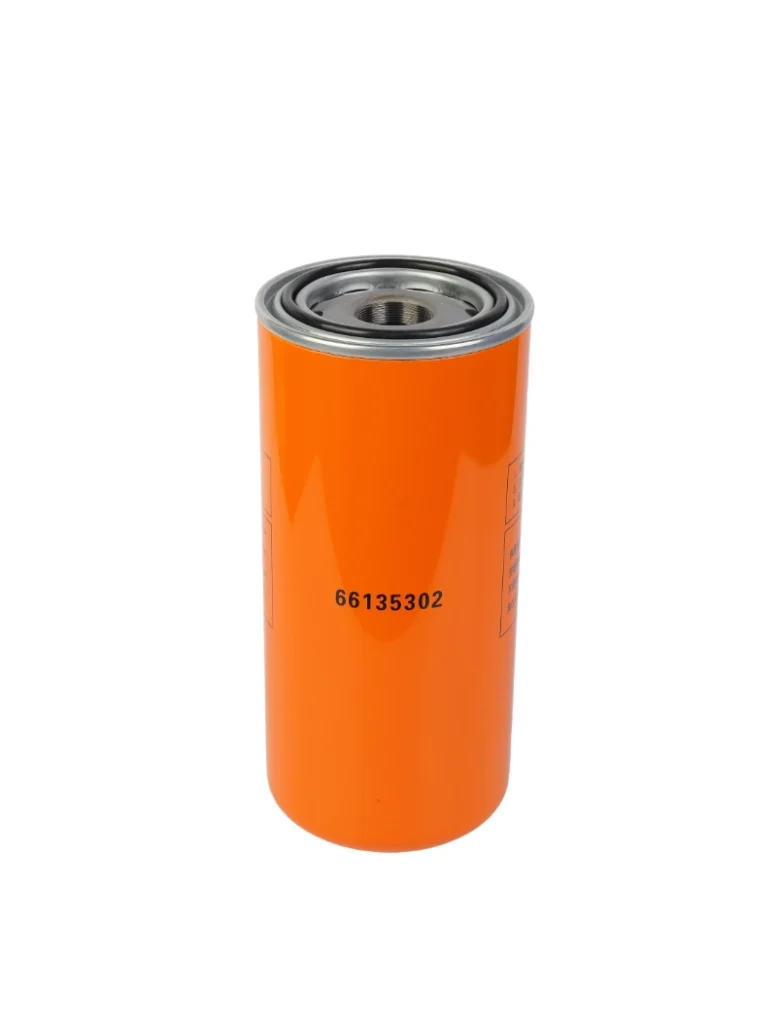
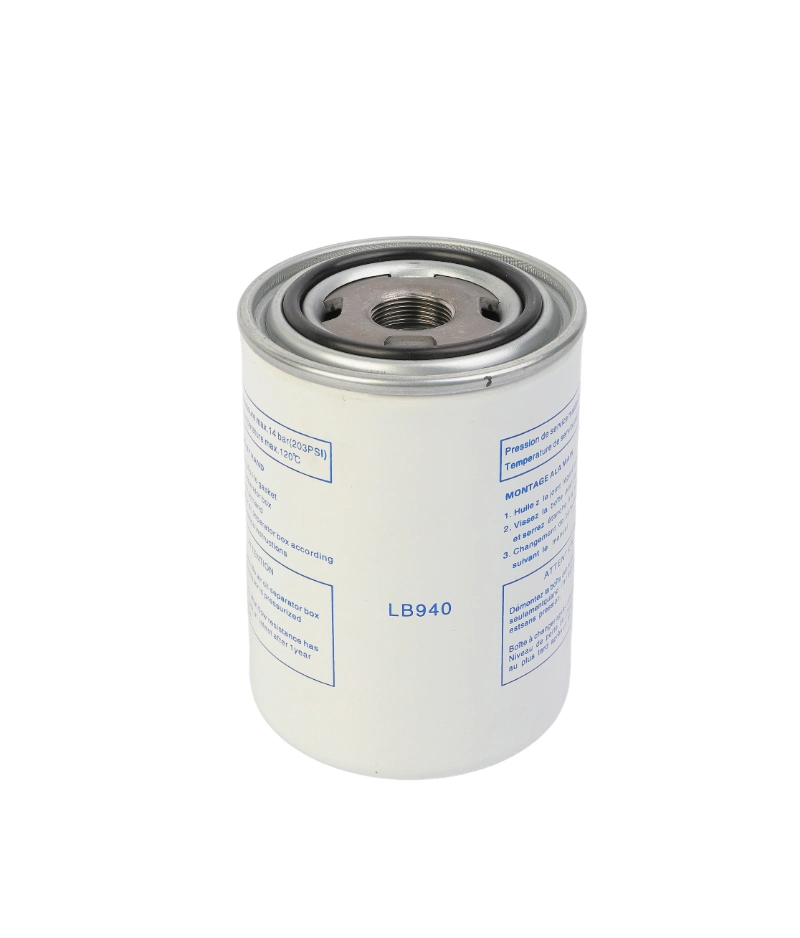
Screw-Type Air Compressor Oil Filter

1. Overview This dual-purpose filter is a versatile and high-performance filtration solution designed to meet the distinct needs of two key scenarios: screw-type air compressor lubrication systems and essential oil…
1. Overview
This dual-purpose filter is a versatile and high-performance filtration solution designed to meet the distinct needs of two key scenarios: screw-type air compressor lubrication systems and essential oil extraction/purification processes. For screw-type air compressors—core equipment in industrial manufacturing, construction, and logistics—clean lubricating oil is critical to reducing rotor friction, dissipating heat, and preventing component wear. For essential oil production, where purity directly impacts product quality and safety, removing impurities, moisture, and residual solvents is non-negotiable. This filter integrates advanced filtration technology to excel in both scenarios, ensuring reliable operation of compressors and premium quality of essential oils.
2. Equipment & Application Compatibility
2.1 Screw-Type Air Compressor Compatibility
- Compressor Model Range: Specifically engineered to fit most mainstream screw-type air compressors, covering stationary models (5.5 kW–160 kW) for factory production lines, portable models (7.5 kW–37 kW) for on-site construction, and oil-injected screw compressors (the most widely used type). It is compatible with brands such as Atlas Copco, Ingersoll Rand, and Kaisan, serving as a direct replacement for original oil filter cartridges. It adapts to different lubrication system designs, whether single-stage or two-stage compression, ensuring seamless integration.
- Lubricant Adaptability: Works with all types of screw compressor lubricants, including mineral-based compressor oil, synthetic compressor oil (e.g., PAO, PAG), and semi-synthetic blends. It maintains stable filtration performance even under high-temperature (up to 120°C) and high-pressure (up to 1.6 MPa) conditions of compressor operation, without reacting with lubricants or altering their physical and chemical properties.
2.2 Essential Oil Filtration Application Scope
- Essential Oil Types: Suitable for filtering various plant essential oils, such as lavender, tea tree, peppermint, and citrus oils, regardless of extraction methods (steam distillation, cold pressing, or solvent extraction). It effectively removes solid impurities (e.g., crushed plant residues, dust), colloidal substances (e.g., polysaccharides, waxes), and micro-droplets (e.g., residual water, solvent traces), ensuring the essential oil meets cosmetic, pharmaceutical, or food-grade purity standards (e.g., ISO 4720 for essential oil quality).
- Production Scale Adaptability: Scalable for both small-batch workshops (e.g., 5–50 L/batch) and large-scale production lines (e.g., 500–2000 L/batch). It can be integrated into inline filtration systems (for continuous production) or used as a batch filtration device, matching different production rhythms of essential oil manufacturers.
3. Working Principle
3.1 Screw-Type Air Compressor Oil Filtration Mechanism
- Multi-Layer Coarse-to-Fine Filtration: The filter cartridge adopts a three-layer composite media structure. The outer layer (polyester fiber, 20–30 μm pore size) traps large impurities like metal shavings (from rotor wear) and dust (from air intake). The middle layer (glass fiber, 5–10 μm pore size) captures fine particles such as carbon deposits (from oil oxidation) and wear debris (from bearing friction). The inner layer (cellulose membrane, 1–3 μm pore size) removes ultra-fine contaminants that could cause rotor scoring or valve blockage.
- Pressure Protection & Oil Conservation: Equipped with a pressure relief valve (set pressure 0.25 MPa) to prevent filter clogging from cutting off oil supply to the compressor—when pressure differential exceeds the threshold, the valve opens to ensure continuous lubrication. A built-in anti-drain back valve (silicone material) prevents oil from flowing back to the oil tank when the compressor stops, eliminating dry-start wear and reducing oil waste.
3.2 Essential Oil Filtration Mechanism
- Impurity & Moisture Dual Removal: The filter uses a hydrophobic modified glass fiber media that combines particle filtration and water separation. Solid impurities are trapped by the media’s porous structure, while moisture is repelled by the hydrophobic coating and collects at the bottom of the filter housing (drained via a manual valve). For solvent-extracted essential oils, an additional activated carbon layer (optional) adsorbs residual solvents (e.g., ethanol, hexane) and odorous substances, enhancing the oil’s purity and aroma.
- Low-Shear Filtration: The internal flow channel is designed with a large-diameter, smooth structure to minimize shear force on essential oils. This avoids damaging the oil’s active components (e.g., terpenes, phenols) and prevents emulsification, ensuring the essential oil retains its original therapeutic properties and sensory quality.
4. Key Features and Benefits
4.1 For Screw-Type Air Compressors
- Extended Compressor Life: With 99.8% filtration efficiency for 5 μm particles, it reduces wear on rotors, bearings, and oil seals by 40% compared to standard filters. Field tests show compressors using this filter have a maintenance cycle extended from 4000 hours to 6000 hours, lowering repair costs significantly.
- Energy Efficiency Improvement: By maintaining clean lubricating oil, the filter reduces friction resistance between compressor components. This leads to a 2–3% reduction in energy consumption—for a 75 kW compressor operating 8000 hours/year, this translates to annual electricity savings of approximately 1200 kWh.
- High Durability in Harsh Environments: The filter housing is made of high-impact polypropylene (PP) with anti-corrosion coating, resisting oil oxidation residues and industrial fumes. It can withstand temperature fluctuations from -30°C to 130°C, suitable for both cold northern workshops and hot southern construction sites.
4.2 For Essential Oil Filtration
- Food-Grade Safety: The filter media and housing comply with FDA (U.S.) and EU 10/2011 food contact standards, containing no BPA, plasticizers, or toxic substances. It does not leach chemicals into essential oils, ensuring compliance with global cosmetic and pharmaceutical regulations (e.g., ECOCERT for organic essential oils).
- High Filtration Precision & Yield: With 99.9% removal rate for particles ≥1 μm and 95% removal rate for moisture, it ensures essential oil clarity (no turbidity) and extends shelf life (preventing microbial growth from moisture). The low-residue design leaves less than 0.5% of essential oil in the filter, maximizing production yield.
- Easy Cleaning & Reusability: For small-batch essential oil production, the filter cartridge can be cleaned with food-grade ethanol and reused 3–5 times (after testing for filtration efficiency), reducing waste and lowering operating costs for small workshops.
5. Maintenance and Operation Guidelines
5.1 For Screw-Type Air Compressors
- Inspection: Check the filter pressure gauge (if equipped) monthly—if pressure differential exceeds 0.15 MPa, replace the cartridge immediately. Every 1000 hours of operation, visually inspect the housing for cracks or oil leaks; clean the filter housing interior when replacing the cartridge to remove residual impurities.
- Replacement Interval: Under normal conditions (using genuine compressor oil and regular air intake filtration), replace the filter every 2000–3000 hours. In dusty environments (e.g., construction sites, cement plants), shorten the interval to 1500–2000 hours.
- Replacement Steps: 1) Turn off the compressor and release pressure via the relief valve. 2) Use a filter wrench to remove the old cartridge, draining residual oil into a collection container. 3) Apply a thin layer of compressor oil to the new cartridge’s rubber gasket. 4) Screw the new cartridge by hand until snug, then tighten 1/4 turn with the wrench. 5) Restart the compressor and check for leaks.
5.2 For Essential Oil Filtration
- Inspection: After each batch filtration, check the filter media for clogging (indicated by reduced flow rate). If the essential oil appears turbid or has a strange odor, test the filtration efficiency—replace the cartridge if precision drops below 99%.
- Replacement/Cleaning Interval: For continuous production, replace the cartridge every 500–800 L of essential oil filtered. For small-batch use, clean the cartridge after 3–5 uses (if reusable) or replace it if cleaning fails to restore flow rate.
- Operation Notes: 1) Preheat solidified essential oils (e.g., coconut oil-based blends) to 30–40°C before filtration to reduce viscosity and improve flow. 2) Control filtration pressure at 0.1–0.3 MPa to avoid media damage. 3) After filtration, flush the filter with food-grade ethanol to remove residual oil, then dry in a clean, ventilated area.
6. Conclusion
This dual-purpose filter bridges the gap between industrial equipment maintenance and high-purity product manufacturing, delivering exceptional performance in both screw-type air compressor oil filtration and essential oil purification. For industrial users, it protects valuable compressor assets, reduces energy costs, and minimizes downtime. For essential oil producers, it ensures product safety, purity, and yield, meeting strict market standards. Its versatility, reliability, and cost-effectiveness make it an ideal choice for businesses across industries, proving that high-quality filtration can drive both operational efficiency and product excellence.